Categories
Announcement

Friday, March 6: Indigenous Feminist Practice in Alaska

2 pm to 3 pm New York Time

In Person and on Zoom

Laurel Thorne,
PhD Student in the Slavic Studies Department at Brown University

on

Rematriation as Resistance: Indigenous Feminist Practice in Alaska
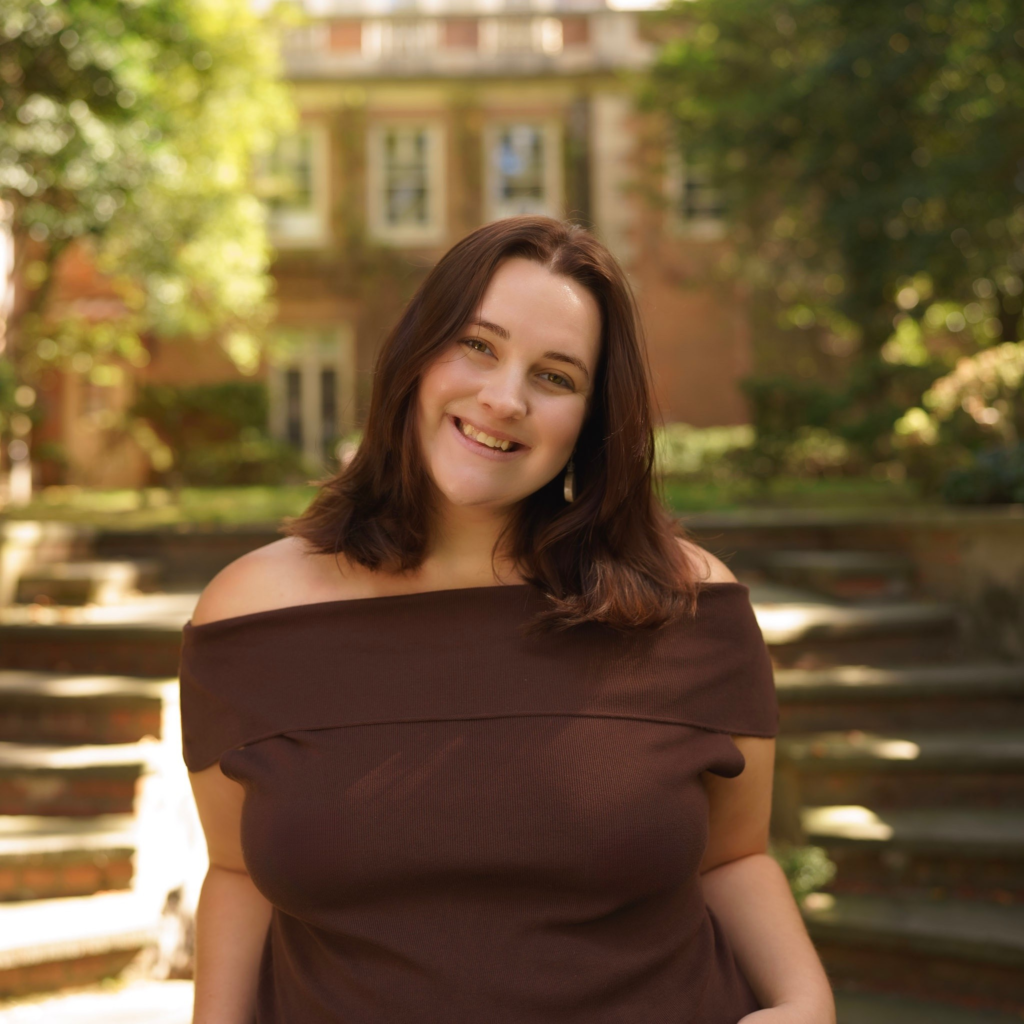
Laurel Thorne is a PhD Student in the Slavic Studies Department at Brown University. She holds a bachelor’s degree in history from Mississippi State University, where she concentrated on women and gender in the Russian Empire. She received her M.A. in Russian, East European, and Eurasian Studies from the University of Illinois at Urbana-Champaign, where her master’s thesis examined the role of women in the colonization of Russian Alaska. At Brown, Laurel’s research explores Indigeneity, gender, and empire, with a particular focus on the history of Alutiiq women of Kodiak, Alaska, from the Russian colonial period to the current day. She draws on Indigenous feminist theory and rematriation methodologies to challenge settler-colonial frameworks and foreground Indigenous perspectives, both historically and contemporarily.

About the presentation: This talk brings Indigenous feminist studies in Slavic Studies through a critical analysis of Kodiak Island, Alaska, under Russian colonial rule. While Indigenous feminism has been widely theorized in scholarship on the Americas and the Pacific, it has remained underutilized in analyses of Indigenous communities affected by Russian colonialism. Laurel Thorne argues that Indigenous feminism offers a critical framework for confronting Russian colonial narratives of Kodiak. Centering the voices and experiences of Kodiak Alutiiq women, her paper examines how Indigenous feminist practices function as a form of resistance to Russian imperial power. Much of the existing historical scholarship about Russian Alaska today relies on the colonial archive and reproduces colonial perspectives. While Laurel engages with colonial sources, including paintings, ethnographic accounts, and memoirs, she reads them against the grain of their imperial logics. She also foregrounds Alutiiq-produced sources, including community accounts, oral histories, and legends. Using Indigenous feminist theory as both a framework and methodology, her paper demonstrates how Alutiiq women’s practices of care, resistance, and rematriation contest the legacies of Russian colonialism and recenter Indigenous women as historical agents rather than colonial subjects.

About the Workshop: We kindly ask all participants, whether attending in person or via Zoom, to read the paper in advance. The workshop will begin with a brief presentation by Laurel Thorne, followed by an open discussion during which participants are encouraged to share their thoughts and ask questions related to both the paper and the presentation.

Register for Zoom Here

Meet us in person! 

European Union Studies Center, Rm 5200.07

(a.k.a. Political Science Thesis Room)

CUNY Graduate Center

365 5th Ave

New York, New York
Categories
Announcement

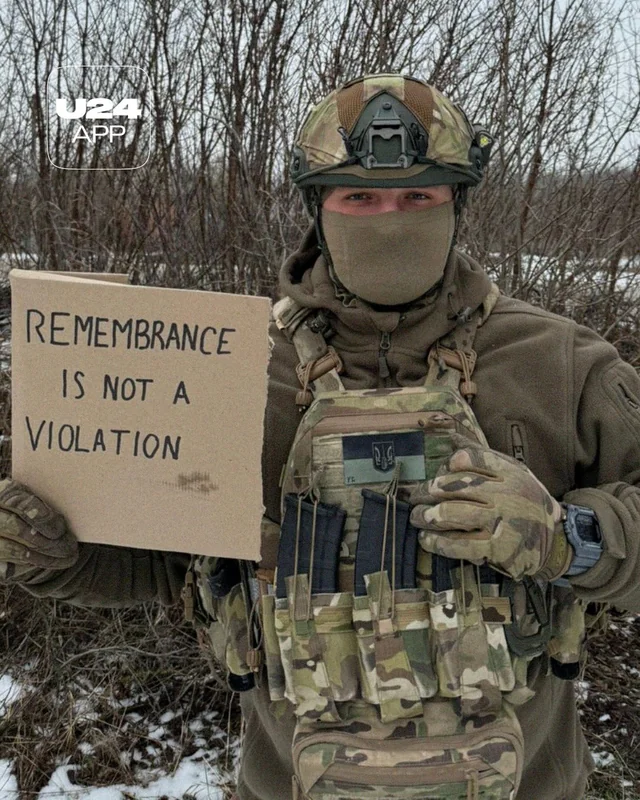
Marking Four Years of Russia’s Full-Scale War Against Ukraine

February 24, 2026 marks the fourth anniversary of the full-scale Russian invasion of Ukraine, preceded by the annexation of Crimea and the war in Donbas in 2014.

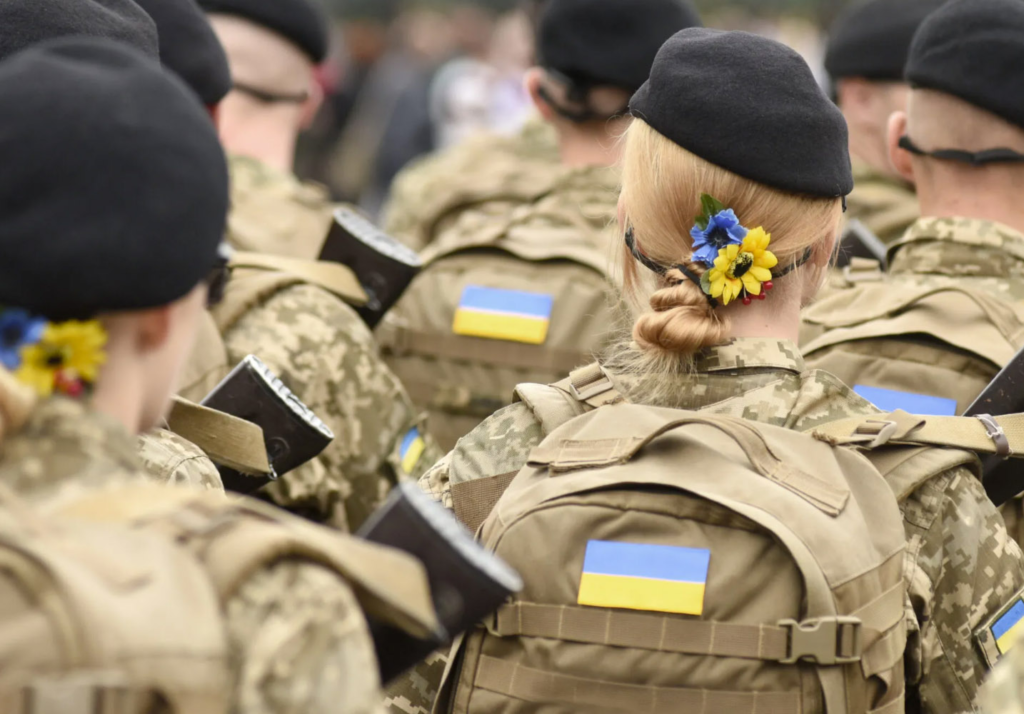
Since that time, Ukraine has demonstrated heroic resistance. Thousands of women and men have declared their devotion to serving their country — defending it on the front lines, saving lives as medics, and volunteering in every way possible to achieve the long-awaited victory over the aggressor.

At the same time, even as daily air raid sirens warn of incoming deadly drones and missile attacks, millions of Ukrainians preserve their political convictions and unwavering support for democracy. The Kyiv International Institute of Sociology confirms this in its survey results, showing a steadfast tendency among Ukrainians to endure the war for as long as necessary—reflecting not only their deep desire for a just peace, but also their determination to assert an independent, sovereign voice to the world.

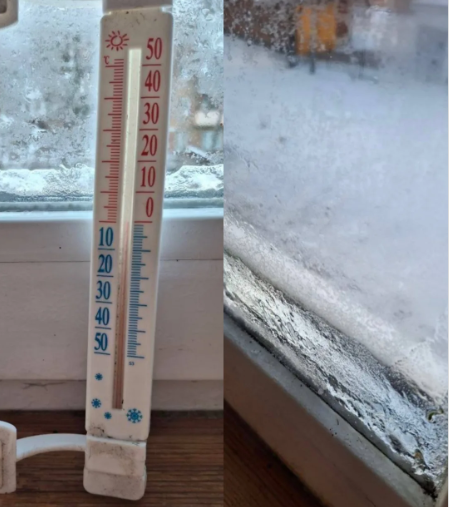
At a time when temperatures dropped to –23°C (~9F), the Kremlin ordered brutal attacks on Ukraine’s energy infrastructure, once again violating the Geneva Conventions, which prohibit strikes against civilian and non-military critical infrastructure. On January 21, 2026 alone, the capital of Ukraine, Kyiv, lost 60% of its electricity supply, leaving people without heat or power as freezing temperatures gripped the city. Families were forced to survive without the most basic conditions essential for life. What Ukrainians now call “cholodomor” — echoing the Holodomor carried out by the Soviet regime — is seen as a new form of genocide, aimed at breaking and destroying millions of Ukrainians across the country.

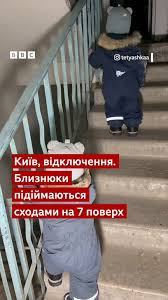
Nevertheless, even in these unbearable circumstances, millions of Ukrainians found the strength to adapt. Even two-year-old twins, Yaroslav and Sviatoslav, learned to use the stairs during blackouts — small children growing up too quickly in a country forced to live without light.

Despite the resilience of Ukrainians, their ability to adapt (even in children) and their unwavering resistance to Russian aggression, the daily violations of human rights remind us that there are truths the world must never forget:

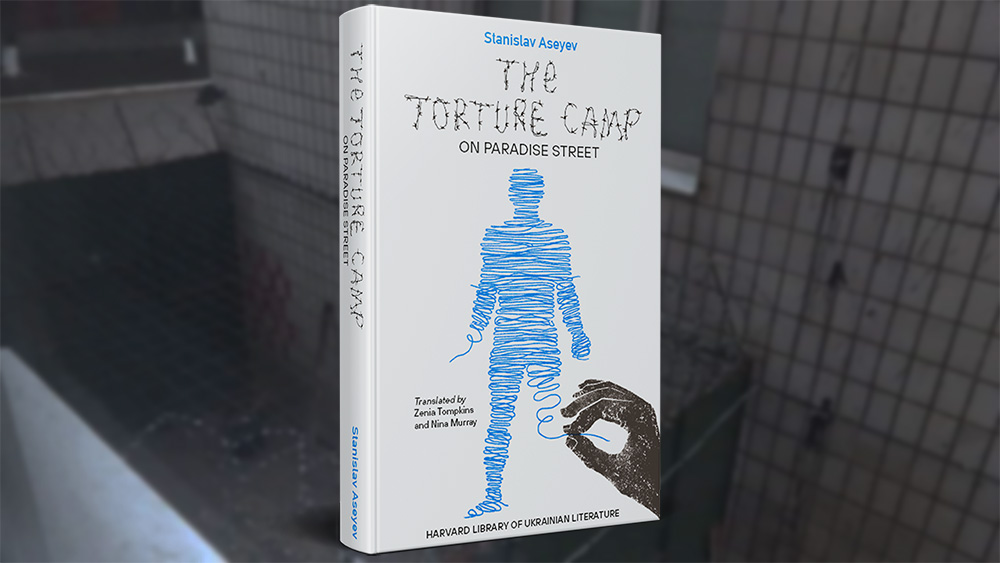
To this day, the global community knows far too little about the Russian torture prison “Izolyatsia” in Donetsk, which surviving Ukrainians describe as nothing less than a concentration camp.

Similarly, Ukrainian prisoners of war suffer in multiple Russian detention facilities, where they endure systemic torture, inhumane conditions, denial of medical care, severe food deprivation, and the stripping of their moral dignity simply for being Ukrainian.

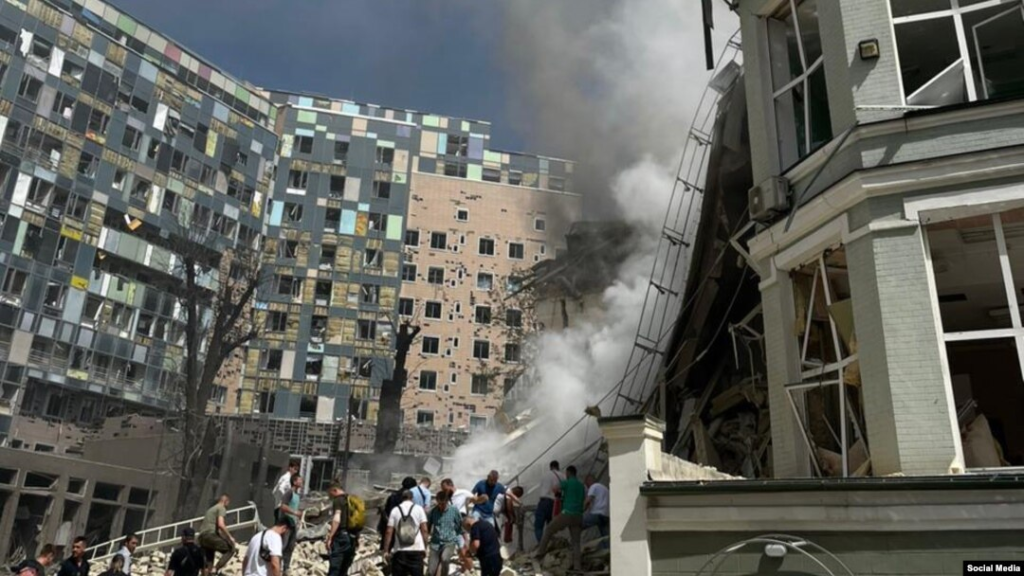
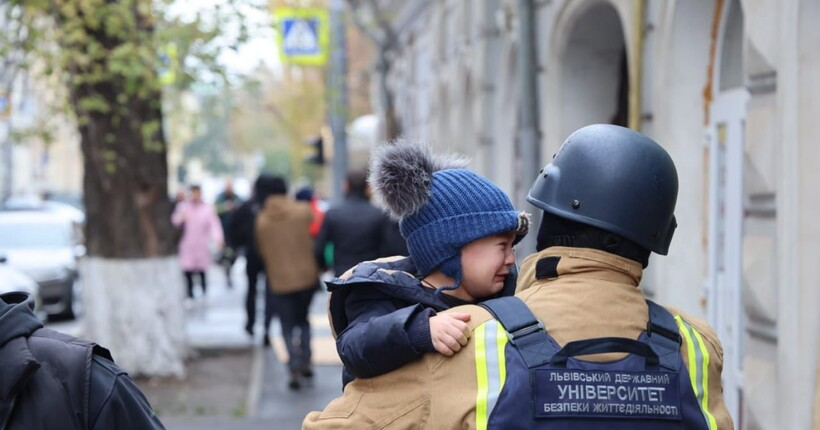
Thousands of Ukrainian children have been kidnapped by the Russian Federation and forcibly separated from their parents, leading to the International Criminal Court indictment of the Kremlin leader. Over 600 children have been killed, and thousands more injured or traumatized. Russian forces have made hospitals, schools, and daycares ordinary targets of their attacks, including the Okhmatdyt Children’s Hospital in the summer of 2024, where intensive care, oncology, and surgical units were damaged, leaving the most vulnerable at risk. Daycare centers have also been hit, as in the kindergarten in the Kholodnohirskyi district of Kharkiv in the fall of 2025.

Thousands of Ukrainian women mourn the husbands, brothers, sons, and fathers they have lost or who remain missing in action. At the same time, countless women have fallen victim to Russian aggression —whether serving on the front lines in the Ukrainian armed forces, rescuing and treating soldiers, or simply living their daily lives in Ukraine. 

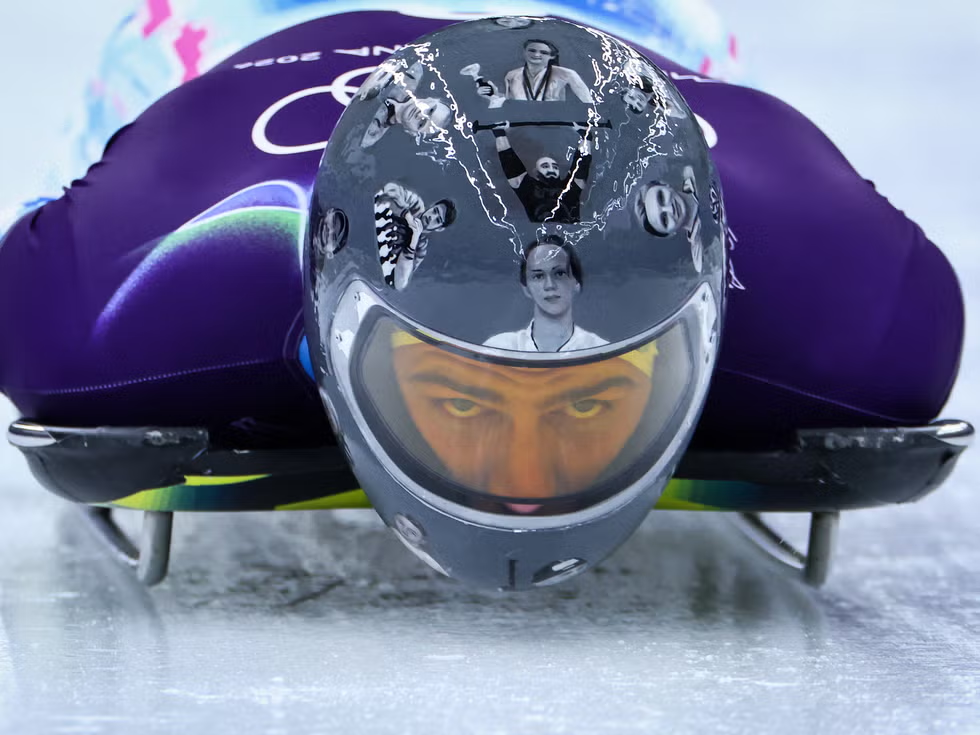
This is not the full list of all the suffering the Kremlin has brought to Ukraine, but it stands as a testament to the principle: “Where there is heroism, there is no final defeat.” These words, written by the renowned Ukrainian poet Lina Kostenko, were inscribed on the helmet of Ukrainian short-track speed skater Oleh Handei, who was barred from wearing it at the 2026 Winter Olympics. Similarly, freestyle skier Kateryna Kotsar was forbidden to wear a helmet reading “Be brave like Ukrainians.”

The pattern continued with skeleton racer Vladyslav Heraskevych, who was disqualified simply for wearing a helmet honoring Ukrainian athletes killed by the Kremlin. Even in sport, the war in Ukraine could not be ignored — and yet the attempt to honor its victims was dismissed rather than respected.

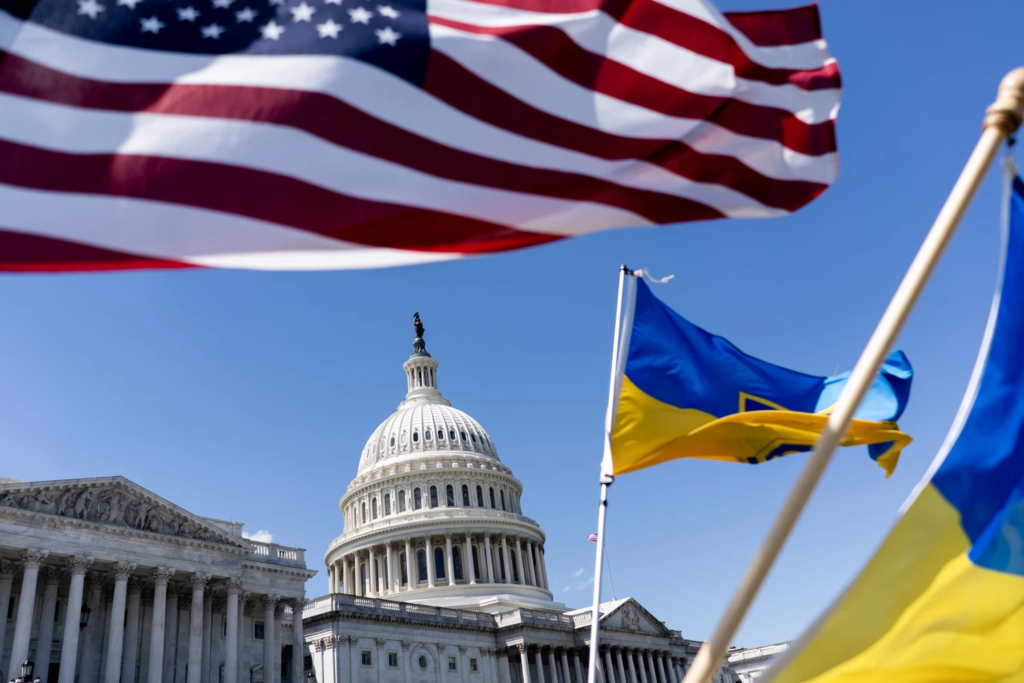
Each of us can still play a part in supporting their fight and standing with Ukrainians in any way we can.

Revived Soldiers Ukraine

National Bank of Ukraine’s Military Fund

Razom for Ukraine

Come Back Alive

Gender and Transformation in Central-Eastern Europe and Eurasia Workshop stands with Ukraine

Sources:

Kyiv International Institute of Sociology

The Kyiv Independent

Book Release. Stanislav Aseyev

Amnesty International

Human Rights Watch

BBC (The “Heroes of Kharkiv'”…)

Ministry of Defence of Ukraine

Reuters (Oleh Handei)

Internet Encyclopedia of Ukraine (Lina Kostenko)

The Kyiv Independent (Kateryna Kotsar)

CNN (Vladyslav Heraskevych)

Inna O.

Categories
Announcement

Friday, February 20: Prvulović on Serb Women in Post-War Vukovar: Between Silence and Rage

2 pm to 3 pm New York Time

On Zoom

Dragana Prvulović,
PhD Candidate at the University of Ottawa

on

“We Are Reigned In”: Serb Women in Post-War Vukovar Caught Between Silence and Rage

In conversation with Anja Vojvodic (LaGuardia Community College, CUNY) and Olivera Jokic (John Jay College, CUNY)

Dragana Prvulović is a sociologist and ethnographer whose work examines minority politics, post-conflict societies, and the everyday dynamics of belonging. She recently completed her PhD with a dissertation titled Enemy Minority: Negotiating Ethnic Difference in Post-Conflict Vukovar, a critical ethnography of Croatian Serb everyday life in the aftermath of war. Her research spans questions of language, education, gender, and migration, and has been supported by the SSHRC. She is currently employed at the Archive of Serbs in Croatia, where her research focuses on historical revisionism and minority institutions.   

About the presentation: Prvulović’s paper examines how Serb women in post-conflict Vukovar navigate the entangled forces of nationalism, gendered violence, and social marginalization. Drawing on 16 months of ethnographic fieldwork, she analyzes how Serb women experience and respond to their minority status within a deeply divided town where nationalist tensions shape everyday life. Through vignettes and interviews, the paper traces how gendered expectations of silence and restraint coexist with simmering rage, emotions that are rarely given legitimate public expression. While some women channel their frustrations into political engagement, others turn toward nationalist discourse as a means of reclaiming agency in a context that offers few alternatives. The murder of Jasna Veselinović, treated initially with silence, exemplifies how gender-based violence against Serb women is often depoliticized, even within their own communities. Yet, expressions of anger—whether in conversations, jokes, or online spaces—reveal a subtext of disillusionment with Croatian state narratives and liberal feminist paradigms. The paper argues that Serb women’s affective responses are not reducible to only nationalist chauvinism, but also reflect the realities of being both ethnicized and feminized in post-war Croatia. Ultimately, these women’s positions reveal how disempowerment can manifest not only in silence but also in complex and politicized forms of rage.

About the Workshop: We kindly ask all Zoom participants to read the paper in advance. The session will begin with a brief presentation by Dragana Prvulović, followed by an open discussion and Q&A based on both the presentation and the paper.

Register for Zoom Here