2 pm to 3 pm New York Time
on Zoom
Ella Rossman,
PhD in History from UCL, Postdoctoral Researcher at the Leibniz Institute for the History and Culture of Eastern Europe (GWZO)
on
Post-Socialist as Postfeminist: Women’s Organising and Illiberal Mobilisation in the Long Perestroika
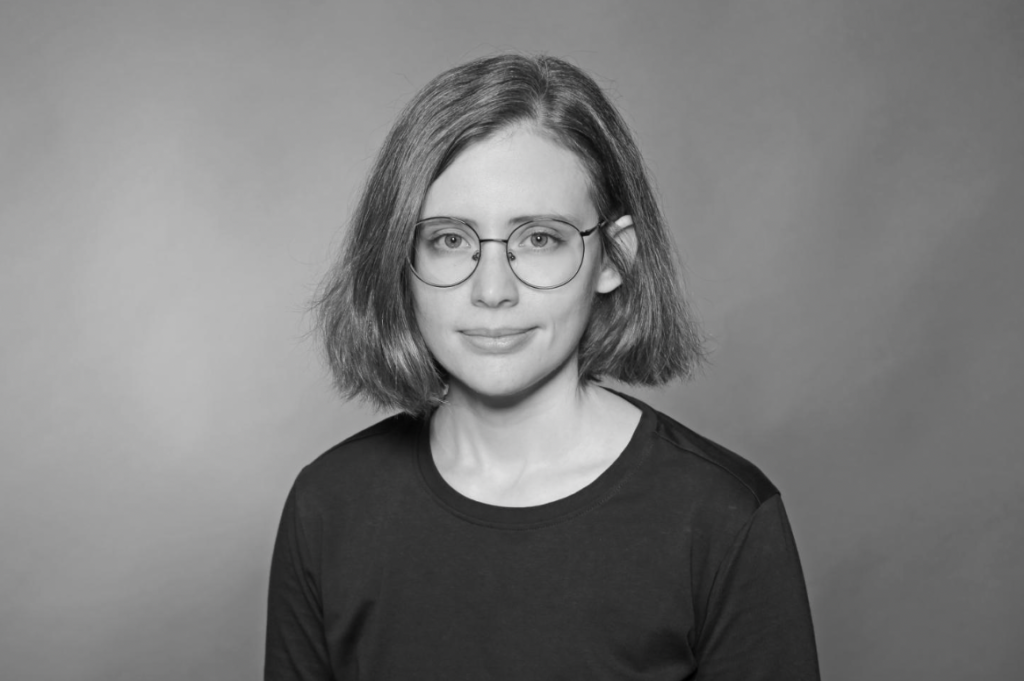
Ella Rossman is a historian and a Russian feminist and anti-war activist in exile. She is currently a postdoctoral researcher at the Leibniz Institute for the History and Culture of Eastern Europe (GWZO). Her academic interests include the history of women and gender under state socialism and in the postsocialist context, as well as the history of knowledge and feminist epistemology. She holds a PhD in History from UCL and has held fellowships at the University of Oxford, the University of London, and the United States Holocaust Memorial Museum. Her research has been published in Gender & History, Girlhood Studies, Ab Imperio, History of Science and Humanities, and other academic journals, as well as in the edited volume Activism in Hard Times in Central and Eastern Europe: People Power (Routledge, 2024). Her commentary on Soviet and contemporary Russian gender policies and women’s movements has appeared in media outlets including BBC Radio 4, NBC News, Newsweek, la Repubblica, Frankfurter Allgemeine Zeitung, Meduza, and Novaia Gazeta, among others. In 2022, she co-founded Feminist Anti-War Resistance, an activist network opposing Putin’s dictatorship and Russia’s war in Ukraine. The FAR team was awarded the Aachen Peace Prize in 2023.
About the presentation: This presentation explores the diversity of women’s organising in the countries of the former Soviet Union during the long perestroika. While existing research has focused primarily on pro-democratic feminist groups of this period — those most recognisable within Western definitions of feminism — my archival work points to the active development of a much broader range of women’s organisations. These include nationalist, religious, socialist, and neo-Bolshevik groups across Russia, Belarus, Ukraine, and the Baltic states. Largely understudied, they challenge conventional, often teleological understandings of post-socialist transformation. Rather than a linear progression toward liberal democracy, they reveal a more complex and contested landscape in which multiple visions of the future coexisted. They also bring into view the “darker” side of perestroika — one that was not solely oriented toward democratisation but also generated new forms of inequality, violence, and illiberalism across the former Soviet states, which defined the region’s development. The paper argues that new forms of illiberal women’s mobilisation functioned as an important link between socialist “state feminism” and later pro-government women’s organising in countries such as Russia and Belarus. Largely overlooked and underestimated by researchers earlier, they later became a key pillar of authoritarian rule and therefore remain in need of further theorisation.
About the Workshop: We kindly ask all participants to read the paper in advance. This workshop will be held on Zoom, beginning with a brief presentation by Ella Rossman, followed by an open discussion. Participants are encouraged to share their thoughts and ask questions related to both the paper and the presentation.

